Practice Area
Data Center Safety
Baldori Law represents communities and residents navigating the legal challenges of hyperscale data center development in Michigan. We handle zoning disputes, referendum petitions, and protective ordinance advocacy to prioritize community interests.
Protecting Michigan Communities
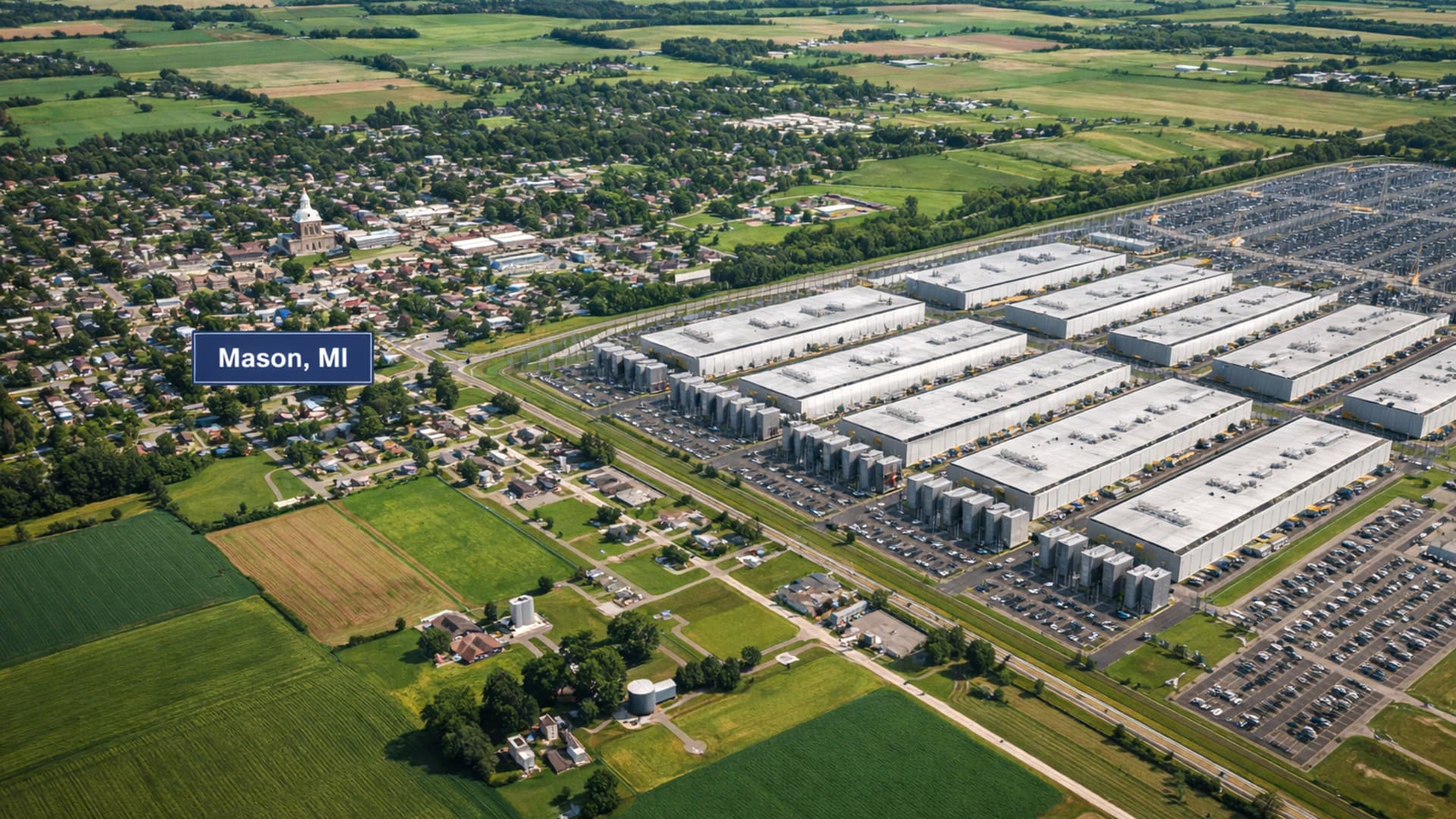
Hyperscale data centers are among the most resource-intensive industrial facilities in existence. A single facility can consume electricity greater than 80,000 homes, use millions of gallons of water daily for cooling, and permanently convert agricultural land to industrial use. When developers and municipalities fast-track zoning changes to accommodate these projects, communities often bear the costs while receiving minimal local benefit.
Baldori Law provides legal representation for residents, community groups, and local organizations seeking to ensure that data center development follows proper process, respects existing land use plans, and includes meaningful protections for the people who live nearby.
For a broader plain-English overview, review our Michigan data center zoning guide and the maintained Michigan data center project tracker.
Our Experience
Attorney Marcus Baldori has been actively involved in data center zoning advocacy in Michigan, including representing a community group that successfully organized a referendum petition campaign against a hastily adopted zoning ordinance designed to accommodate hyperscale data center development. The petition effort gathered sufficient signatures to trigger a public vote, ultimately leading the city council to rescind the ordinance.
This experience provides our firm with firsthand knowledge of the legal, procedural, and strategic issues that arise when communities push back against inadequate zoning for industrial-scale data centers.
Zoning and Land Use Challenges
Data center zoning disputes often involve fundamental questions about a community's character and future. Common legal issues include:
- Zoning ordinances adopted with minimal public notice or inadequate opportunity for community input
- New zoning districts that conflict with a municipality's adopted Master Plan or comprehensive land use strategy
- Vague ordinance language that gives developers excessive flexibility while providing insufficient protections for residents
- Irreversible conversion of agricultural or residential land to heavy industrial use
- Inadequate setback, noise, water usage, and environmental standards for facilities that operate 24/7
Referendum and Direct Democracy
When a local government adopts a zoning ordinance over community objections, Michigan law provides a mechanism for citizens to challenge that decision through a referendum petition. If enough valid signatures are gathered from registered voters within the required time frame, the ordinance can be placed on the ballot for a public vote, or the governing body may choose to rescind it.
Baldori Law assists community groups with the legal requirements of the referendum process, including petition language, signature validation, filing deadlines, and any legal challenges that arise during or after the petition drive.
Community Concerns We Address
- Water resources. Hyperscale data centers require millions of gallons of water daily for cooling systems, raising concerns about aquifer depletion, competition with agricultural and residential water supplies, and long-term sustainability.
- Noise. Industrial cooling systems and backup generators produce continuous noise that can be audible from significant distances, fundamentally altering the character of residential and rural areas.
- Property values. Proximity to heavy industrial facilities can decrease nearby property values, with homes closest to the development experiencing the largest impact.
- Infrastructure strain. The power demands of a single data center can strain the local electrical grid and potentially increase utility rates for all customers in the service area.
- Farmland loss. Once agricultural land is converted to industrial use, the conversion is permanent. These decisions affect a community's food security and rural character for generations.
- Tax policy. State tax incentives such as those under Michigan Public Act 207 can exempt data center developers from significant sales and use taxes, shifting the tax burden to homeowners and small businesses.
Our Approach
Our position is not anti-development. We believe that if data centers are going to be built in Michigan communities, they should be built under zoning ordinances that include real protections: enforceable standards for noise, water usage, setbacks, environmental impact, and community benefit. When developers and municipalities attempt to bypass meaningful public input or adopt inadequate regulations, we step in.
If your community is facing a data center zoning issue, contact Baldori Law. We offer consultations for residents, community groups, and local organizations seeking legal guidance on zoning challenges, referendum rights, and protective ordinance advocacy.
Need to Discuss Your Case?
Contact Baldori Law today to discuss your case with an experienced Michigan attorney.
Contact Us(517) 927-79285.0 · 162 Google reviewsCall for time-sensitive matters, or use the contact form to share details about your issue.
Areas We Serve
We represent clients across Michigan from our principal office in Okemos — including these metros:
See all areas we serveFrequently Asked Questions
Common Questions
Can a community challenge a zoning ordinance for data centers in Michigan?
Yes. Michigan residents can challenge a local zoning ordinance through a referendum petition. If enough valid signatures are gathered from registered voters within the statutory time frame, the ordinance can be placed on a ballot for a public vote or the governing body may choose to rescind it. Legal counsel can help ensure the petition meets all procedural requirements.
What environmental concerns do hyperscale data centers raise?
Hyperscale data centers can consume millions of gallons of water daily for cooling, use as much electricity as tens of thousands of homes, generate continuous industrial noise, produce waste heat that creates localized micro-climates, and permanently convert agricultural land to industrial use. These impacts are why protective zoning ordinances are critical.
What is a Master Plan and why does it matter for data center zoning?
A Master Plan is a comprehensive document adopted by a municipality that guides future land use, development patterns, and community character. Zoning ordinances should be consistent with the Master Plan. When a new zoning district like one created for data centers conflicts with the Master Plan's goals of preserving rural character, it may be vulnerable to legal challenge.
Do data centers receive tax breaks in Michigan?
Yes. Michigan Public Act 207 extended sales and use tax exemptions for qualifying data center construction and equipment. These exemptions can represent tens of millions of dollars in lost state and local tax revenue over decades, effectively shifting the tax burden to homeowners and small businesses in the community.
Ready to Discuss Your Case?
Baldori Law provides experienced legal guidance, clear next steps, and responsive representation for clients across Michigan.
Need to move quickly? Call the office. Prefer writing first? Use the contact form.